Readiness for Invisalign for teens has two parts: clinical suitability and everyday commitment. A clinician assesses tooth development, bite, and oral health. Families should discuss prescribed wear time, cleaning, storage, and appointments. Bridgewater families can request an assessment at RiteSmile Dental’s Branchburg office before deciding whether clear aligners fit their teen’s needs.
Your teen wants straighter teeth without visible brackets. You want to know whether removable aligners will work around school, meals, and an already busy schedule. Both concerns deserve a place in the conversation.
Wanting aligners is a useful starting point, but it is not the same as being ready for treatment. This guide separates the clinical assessment from the habits your family can discuss at home.
What must a clinician evaluate before treatment?
Clinical readiness is not determined by age alone or a photograph of crowded teeth. A clinician needs to examine the teeth and bite, review oral health, and decide what records are needed. Developing teeth and the complexity of planned movements also matter.
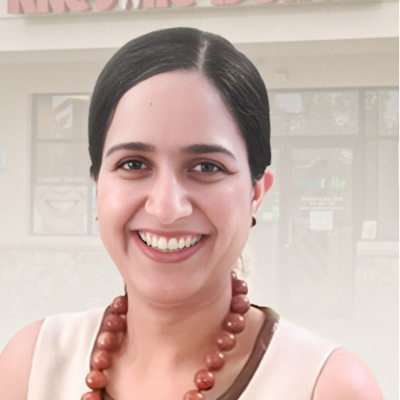
Dr. Sandeep Kaur, DDS, is a general dentist and Certified Platinum Invisalign Provider with over 20 years of clinical experience. She graduated from NYU College of Dentistry. Her credentials do not mean every teen is a candidate or eliminate the need for specialist care when appropriate.
RiteSmile offers dental services for Bridgewater families at its Branchburg location. This is not a separate Bridgewater office.
Ask whether any cavities, gum concerns, or other oral health needs should be addressed before treatment. Your teen should also have room to explain their goals, worries, and preferences.
The American Association of Orthodontists describes the professional planning involved in clear aligner therapy. An online checklist cannot replace this assessment.
What does Invisalign teen responsibility involve?
Invisalign teen responsibility means following the prescribed routine even on busy or inconvenient days. Invisalign states that aligners are typically worn for 20 to 22 hours daily. Your teen’s provider should confirm the schedule and explain when to remove them.
See the manufacturer’s Invisalign frequently asked questions for general wear guidance. Change aligners only on the schedule your provider prescribes, not according to a friend’s experience.
Families should discuss storage, cleaning, meals, and what to do if an aligner goes missing. Keeping a case nearby is a practical habit. Agree that problems will be reported promptly rather than hidden because your teen fears getting in trouble.
RiteSmile’s Invisalign treatment page provides background on the service. Use it to start questions, not to predict your teen’s results.
How can parents support a realistic daily routine?
A good routine should work on an ordinary school day, not just during vacation. Discuss lunch, after-school activities, homework, and bedtime. Identify where your teen will store the case and how they will access hygiene supplies.
Parents can help with reminders, transport, and supplies while allowing teens to own the routine. A brief, calm check-in may be more constructive than repeated criticism. This is a suggested family approach, not a clinical test of suitability.
For example, your teen could pack a case with their school supplies and set a reminder after lunch. At home, keep the provider’s instructions somewhere easy to find. Ask the clinician to adapt the plan if school facilities or other needs create difficulties.
For sports, ask about protective mouthguards and aligner instructions before treatment begins. Aligners should not be assumed to provide sports protection. Never improvise a wear or appliance plan based on general internet advice.
How are clinical suitability and everyday readiness different?
| Readiness area | Who evaluates it? | What should be discussed? |
|---|---|---|
| Clinical suitability | Treating clinician | Bite, developing teeth, oral health, and treatment scope |
| Daily commitment | Teen, parents, and clinician | Wear schedule, cleaning, storage, and problem reporting |
| Family logistics | Family with provider guidance | Appointments, transport, school routines, and costs |
What should families ask at the consultation?
Ask what makes your teen a suitable candidate and whether specialist assessment is advisable. Discuss expected wear time, review appointments, and how the office handles lost or poorly fitting aligners. Request an individual timeline rather than a general promise.
For an overview before your visit, read RiteSmile’s guide to Invisalign treatment. Bring your teen’s questions as well as your own.
Request a written explanation of what the proposed fee includes. Ask about insurance benefits, additional aligners if needed, and retainers. Do not assume a general dental plan covers Invisalign or that the assessment is free.
The practice’s Invisalign cost and financing guide can support this conversation. Confirm current prices, coverage, and payment options directly with the practice.
What if clear aligners are not the right fit?
Clear aligners are one treatment approach, not the right answer for every teen. If removable appliances do not suit the clinical needs or routine, ask about alternatives and specialist referral. A fair discussion should explain limitations without pressuring the family.
RiteSmile’s comparison of Invisalign and traditional braces introduces differences to discuss. This article does not imply that RiteSmile provides fixed braces.
Retention also belongs in the decision. The AAO explains that retainers help maintain corrected tooth positions after treatment. Ask what ongoing care your teen will need before agreeing to an active treatment plan.
Read the AAO’s overview of orthodontic retainers for general background. The provider must prescribe the appliance and wear schedule for your teen.
Frequently Asked Questions
Conclusion
Choosing Invisalign for teens means considering both the mouth and the routine. The seven discussion points can help your family prepare, while an examination determines clinical suitability. Results may vary, and no worksheet or provider designation guarantees an outcome.
RiteSmile Dental serves families from Bridgewater, NJ, Branchburg, NJ, Raritan, NJ, Somerville, NJ, and Somerset County, NJ. Call to request an assessment and ask which options fit your teen’s needs.
RiteSmile Dental | 1260 Route 28, Suite 7, Branchburg, NJ 08876 | info@ritesmiledental.com
Disclaimer
This content is for informational purposes only and does not constitute dental advice. Please consult Dr. Kaur or a qualified dental professional for personalized recommendations.