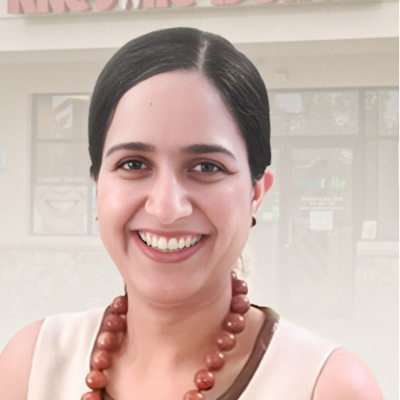
RiteSmile Dental at 1260 Route 28, Suite 7, Branchburg, NJ 08876 is led by Dr. Sandeep Kaur, DDS, an NYU-trained general dentist and Certified Platinum Invisalign Provider with more than 20 years of clinical experience, and the practice offers both TMJ/TMD evaluation and Invisalign treatment under one roof. For some patients, Invisalign may help reduce TMJ-related strain when bite imbalance is part of the problem, but it is not a cure-all and treatment must be based on an individual exam, symptom history, and diagnosis.
Featured snippet answer
Invisalign may help some TMJ or TMD symptoms when crooked teeth, an uneven bite, or clenching patterns are contributing to jaw strain, but it is not the right solution for every patient. A careful dental exam, bite analysis, and symptom review help determine whether clear aligners, a custom splint, habit changes, or another treatment plan is the better fit
What is TMJ or TMD?
TMJ refers to the temporomandibular joint, the hinge that connects the lower jaw to the skull. TMD, or temporomandibular disorder, is a broad term for problems affecting that joint, the surrounding muscles, or the way the bite functions during chewing and jaw movement.
Common symptoms may include:
- Jaw pain or tenderness
- Clicking, popping, or locking in the jaw.
- Headaches, ear-area discomfort, or facial soreness.
- Pain when chewing or opening wide.
- Clenching or grinding that leaves the jaw tired in the morning.
At RiteSmile Dental, TMJ/TMD treatment is part of the practice’s listed services, along with Invisalign, night guards, restorative dentistry, and emergency care, which supports a more complete evaluation when symptoms overlap.
Can bite problems contribute to jaw pain?
Yes, in some cases they can. When the upper and lower teeth do not meet evenly, the jaw muscles and joints may work harder to find a comfortable position, which can add strain over time. That strain may be worse in patients who also clench, grind, chew on one side, or already have inflamed joint tissues.
Bite issues that may matter
- Crowding that changes how teeth contact during closure.
- A deep bite or uneven bite contact.
- Shifting teeth after past orthodontic treatment.
- Wear from grinding that changes the bite over time.
These patterns do not prove that teeth alone caused the pain, but they can be part of the larger picture and should be assessed along with muscle tenderness, jaw movement, and joint symptoms.
How can Invisalign help some TMJ patients?
Invisalign uses a series of clear aligners to move teeth gradually, which may improve how the bite fits together in selected cases. If a patient’s jaw discomfort is linked to crowding, unstable bite contact, or functional imbalance, better alignment may reduce one source of strain on the chewing system.
Possible ways Invisalign may help include:
- Improving bite contact in cases where malocclusion contributes to jaw strain.
- Reducing traumatic contacts that make muscles overwork.
- Supporting a more stable long-term bite after evaluation.
- Offering a discreet orthodontic option for adults who prefer not to wear braces.
Because TMD has multiple causes, Invisalign works best as part of a broader plan rather than as a blanket answer for every kind of jaw pain.
When Invisalign may not be the first step?
If pain is acute, the jaw is locking, the joint is inflamed, or muscle spasm is the main issue, a more conservative first step may make more sense. Mayo Clinic lists self-care, oral splints or mouth guards, physical therapy, counseling on habits, and medication support among common non-surgical options before more invasive procedures are considered.
RiteSmile Dental also offers jaw pain evaluation, occlusal splints, bite therapy, and night guards, which means treatment can be matched to the cause instead of forcing every patient into orthodontics. This patient-first approach also aligns with the practice’s brand guardrails, which prohibit cure claims and require individualized recommendations.
Invisalign vs. night guard for TMJ symptoms
| Option | Main Purpose | Best Fit | What to Know |
|---|---|---|---|
| Invisalign | Gradually moves teeth and may improve bite alignment over time. | Patients whose bite pattern may be contributing to symptoms. | Results depend on diagnosis, compliance, and whether bite imbalance is a true driver of pain. |
| Custom night guard or splint | Helps protect teeth and may reduce strain from clenching or grinding. | Patients with bruxism, muscle tension, or sleep-related grinding. | It manages load and habits, but it does not straighten teeth. |
| Combined plan | Uses symptom relief plus bite correction where appropriate. | Patients with both a functional bite issue and parafunctional habits. | A phased plan is often more comfortable than trying to solve everything at once. |
What evaluation should happen first?
A useful TMJ and Invisalign consultation should look beyond crooked teeth. Mayo Clinic notes that diagnosis may include symptom review, palpation of the jaw, range-of-motion assessment, and imaging such as dental X-rays, CT, or MRI when clinically indicated.
At RiteSmile Dental, a strong screening process for this topic should include:
- Review of jaw pain, clicking, headaches, clenching, and prior dental history.
- Bite analysis to check how the teeth meet and whether contact is even.
- Exam for tooth wear, fractures, grinding, or muscle tenderness.
- Discussion of whether a splint, Invisalign, restorative adjustment, or referral is more appropriate.
This careful process matters because not every patient with jaw pain needs aligners, and not every crooked bite is the source of TMD symptoms.
Why this topic fits RiteSmile Dental?
RiteSmile Dental has a real authority advantage on this subject because the practice explicitly offers both TMJ/TMD treatment and Invisalign, and Dr. Kaur’s credentials include NYU dental training, Platinum Invisalign status, ADA membership, NJDA membership, and more than 20 years of experience. That combination supports strong E-E-A-T for a topic where many local pages mention TMJ in general terms but do not connect it to clear-aligner planning in a patient-friendly way.
For local patients in Branchburg, Bridgewater, Raritan, Somerville, and greater Somerset County, that means one office can evaluate jaw pain, bite issues, and smile alignment together instead of treating them as separate conversations.
What patients often ask before starting?
Will Invisalign cure TMJ?
No. Invisalign may help some people when bite imbalance is part of the problem, but TMJ disorders can involve muscles, habits, inflammation, or joint structure, so treatment depends on the underlying cause.
Can clear aligners make jaw pain worse at first?
Some patients may notice temporary pressure or adjustment discomfort as teeth move, but persistent or worsening jaw pain should be reviewed promptly so the plan can be adjusted if needed. Because the practice guardrails prohibit blanket promises, it is more accurate to say that tolerance and response vary by case.
Is a night guard better than Invisalign?
They do different jobs. A night guard helps protect teeth and may reduce clenching load, while Invisalign is designed to move teeth and improve alignment over time.
Signs it may be time to schedule an exam
- Jaw pain that keeps coming back.
- Morning jaw fatigue or headaches.
- Clicking that is painful or paired with limited opening.
- Teeth that seem to be shifting or wearing down.
- A history of clenching, grinding, or bite discomfort.
- Concern that crooked teeth and jaw symptoms may be related.
For patients near Branchburg, NJ, an exam can help sort out whether the next best step is monitoring, a custom appliance, Invisalign, restorative care, or referral for advanced imaging or specialist evaluation.
Internal resources
Patients exploring this topic may also find these RiteSmile Dental pages useful:
- Invisalign for clear aligner treatment options.
- TMJ Treatment for jaw pain and bite-disorder evaluation.
- Emergency Dental Care if jaw pain is sudden, severe, or linked to a broken tooth or trauma.
- Dental Implants when missing teeth are affecting bite balance and chewing function.
- Cosmetic Dentistry for smile design options that may follow functional treatment.
- Contact to schedule an evaluation in Branchburg.
Key takeaways
- TMJ/TMD is not one single condition; symptoms can involve the joint, muscles, bite, and habits.
- Invisalign may help some patients when malocclusion is contributing to jaw strain, but it is not a universal fix.
- Conservative treatments such as self-care, splints, physical therapy, and habit changes are also common parts of care.
- The right plan starts with diagnosis, not assumptions.
- RiteSmile Dental is positioned well for this topic because it offers both Invisalign and TMJ/TMD treatment in one Branchburg office.
Conclusion
If crooked teeth, an unstable bite, or long-term wear patterns are part of your jaw discomfort, Invisalign may be worth discussing as one part of a larger TMJ treatment plan. RiteSmile Dental serves Branchburg, Bridgewater, Raritan, Somerville, and nearby Somerset County communities with a patient-first approach that combines TMJ evaluation, custom appliances, and Invisalign planning under one roof.
This content is for informational purposes only and does not constitute dental advice. Please consult Dr. Kaur or a qualified dental professional for personalized recommendations.